Television Production: A Practical Guide for Filmmakers

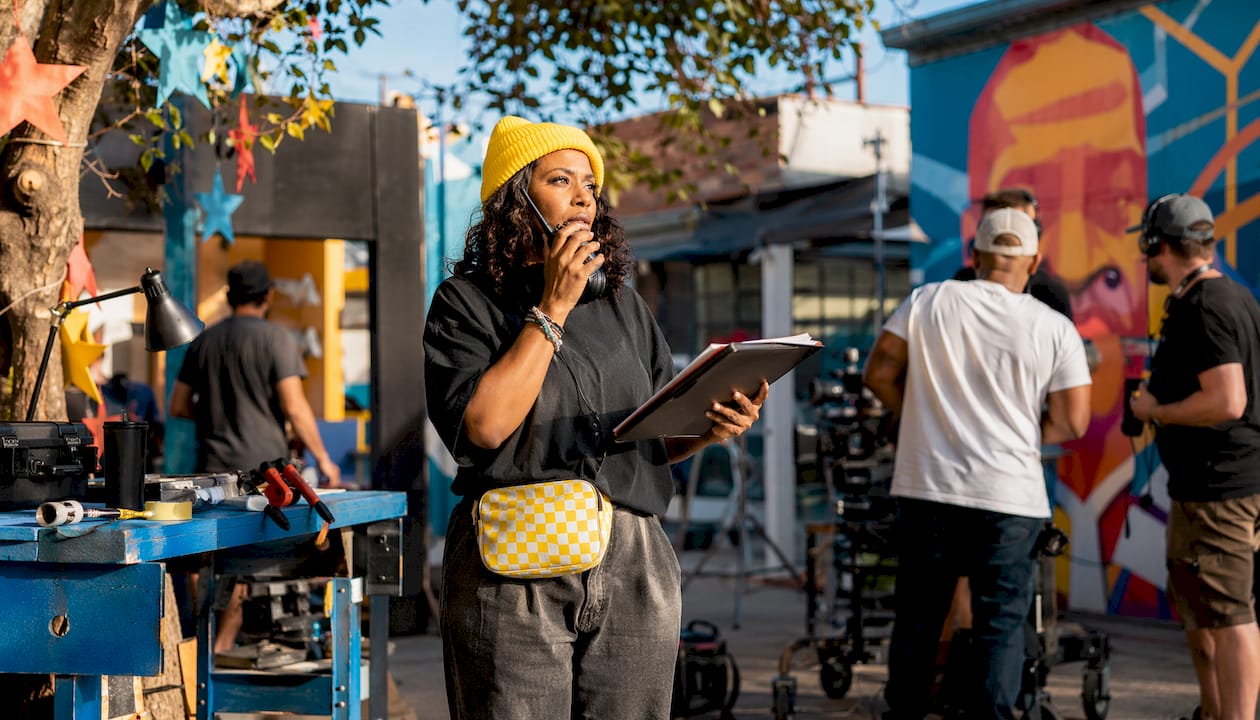
Television production is the process of developing, filming, and finishing content for broadcast or streaming platforms, moving a show from raw concept through pre-production, production, post-production, and distribution. Every professional workflow in the film and television industry follows this structure, whether the project is a network drama or an independent web series. Mastering these phases is not optional for aspiring filmmakers. It is the foundation that separates a compelling pitch from a greenlit show, and a rough cut from a finished episode ready for air.
What are the essential phases of television production?
Professional video production follows four core phases: pre-production, production, post-production, and marketing and distribution. Each phase has a distinct purpose, and skipping steps in any one of them creates problems that compound later.
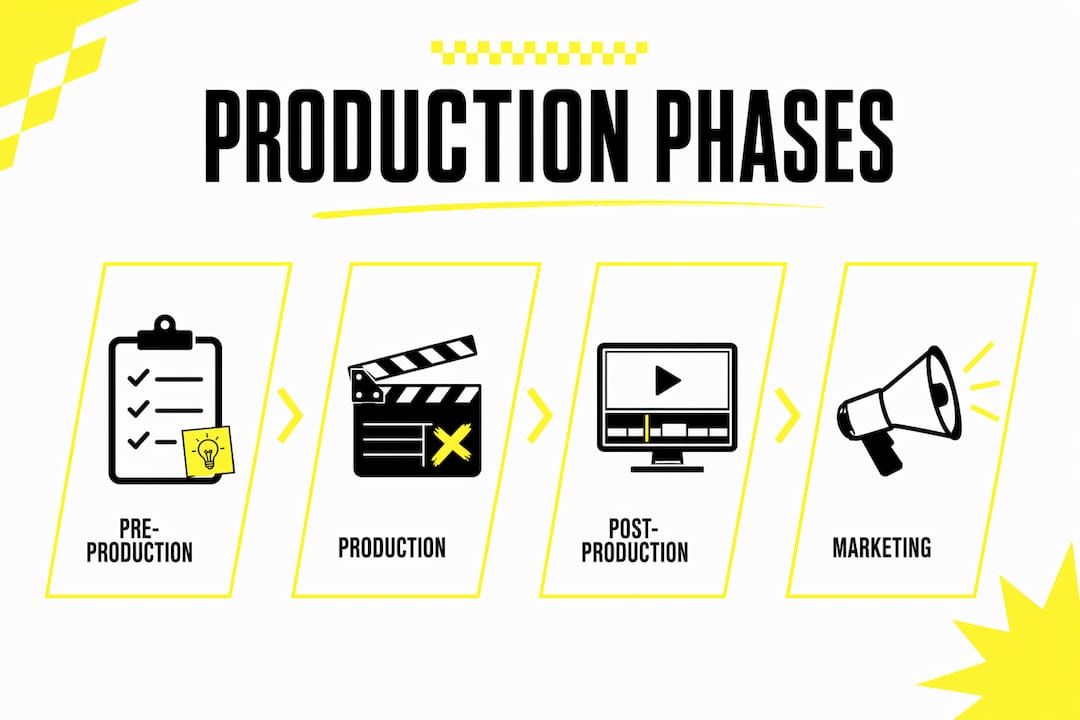
Pre-production is where every decision that matters gets made before a camera rolls. This phase covers idea development, scripting, budgeting, scheduling, location scouting, and crew assembly. A thorough pre-production process protects your shoot days from chaos. Producers who skip detailed scheduling often discover mid-shoot that they have lost a location, a key cast member, or a full day of light.
Production is the filming stage. Directors manage talent and coverage while the crew captures every scene according to the shot list. Coverage planning is critical here. Shooting multiple angles and takes gives editors the material they need to build a coherent cut without returning to set.
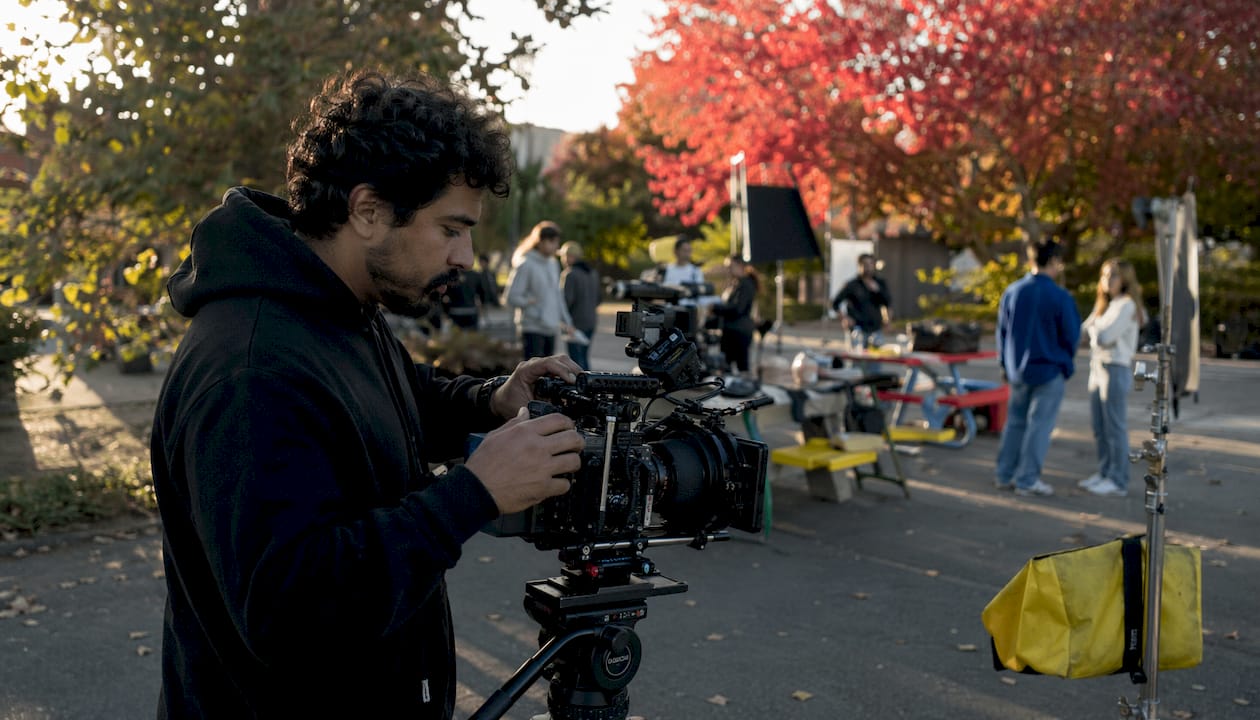
Post-production is where the story gets shaped. Editors, sound designers, colorists, and visual effects artists work together to turn raw footage into a finished episode. Sound design deserves special attention because poor audio is the single most common reason viewers stop watching a show.
Marketing and distribution now function as a fourth phase in modern broadcasting and production. Platform-specific distribution and audience engagement strategies are built into the workflow from the start, not added as an afterthought. Streaming platforms in particular require content formatted to specific technical specs, metadata standards, and release strategies.
Phase | Key Activities | Primary Goal |
Pre-production | Scripting, budgeting, scheduling, crew hiring | Build a clear plan before filming |
Production | Filming, directing, coverage, talent management | Capture all required footage |
Post-production | Editing, sound design, color correction, VFX | Deliver a polished, finished episode |
Marketing and distribution | Platform delivery, audience targeting, promotion | Get the show in front of viewers |
Pro Tip: Build your shot list during pre-production, not the morning of your shoot. A detailed shot list cuts average shoot days significantly and keeps your crew focused.
How do you develop and pitch a television show concept?
The pitch is where most aspiring creators either win or lose their shot at a greenlit project. Hollywood executives expect fully mapped story arcs for streaming and fully realized characters for broadcast. These are not interchangeable. A streaming pitch needs to show where the story goes across multiple seasons. A broadcast pitch needs to prove that the characters can carry episodic, self-contained stories week after week.
The most common failure in television show development is vagueness. Successful pitches demonstrate sustainability beyond the pilot script and attach either recognizable talent or a clear editorial vision. A pitch that says “it’s a show about friendship” without a specific world, conflict, or character arc will land in development hell and stay there.
Here is a practical framework for preparing a pitch that gets taken seriously:
Define your format first. Know whether you are pitching a 22-minute comedy, a 60-minute drama, or a limited series. Format shapes every other decision.
Write a one-page document. Cover the premise, the main characters, the central conflict, and the season arc. Executives read dozens of pitches a week. Clarity wins.
Show sustainability. Outline at least three seasons of story. This proves you are not a one-idea writer.
Attach a vision. If you cannot attach talent, attach a strong directorial or tonal reference. Tell the room what the show feels like, not just what it is about.
Practice out loud. A pitch is a performance. Reading from notes kills energy in the room.
A great script and clarity of the writer’s vision remain the most critical factors in getting greenlit, beyond big-name attachments. That is encouraging news for emerging creators who do not yet have industry connections.
Flexibility matters just as much as preparation. Shows often shift focus during development, sometimes moving from teenage to adult characters, to better fit a platform’s audience. Aspiring creators who treat their initial concept as sacred rather than as a starting point often stall in development.
Pro Tip: Research the specific platform you are pitching before the meeting. Streaming platforms and broadcast networks have distinct audience profiles and content mandates. Tailoring your pitch to the platform shows professionalism and market awareness.
What techniques improve production quality for aspiring filmmakers?
Production quality is not about budget. It is about discipline, planning, and knowing which technical elements carry the most weight. Small teams and solo creators benefit most from clear planning, defined roles, and sufficient coverage. These three factors do more for production quality than expensive gear.
The technical skills that matter most are lighting, sound control, and camera framing. Lighting shapes the emotional tone of every scene. A three-point lighting setup (key light, fill light, and backlight) is the standard starting point for interview-style or dialogue-heavy content. Sound control is non-negotiable. A lavalier microphone placed correctly will always outperform a camera’s built-in mic, regardless of camera price.
Prioritize audio above all else. Viewers forgive imperfect visuals far more readily than they forgive poor sound.
Plan your coverage before the shoot. Know your wide shot, your medium shot, and your close-up for every scene. Missing coverage forces reshoots.
Define roles clearly on small teams. Separating logistics and creative decisions reduces on-set stress and improves outcomes. The producer handles scheduling and resources. The director handles performance and framing.
Use a slate or clapperboard. Even on small shoots, slating each take makes the editing process faster and more organized.
Shoot more than you think you need. Editors cannot build a scene from footage that does not exist.
Understanding film production departments and their distinct responsibilities helps even small teams assign work more effectively. When everyone knows their lane, the shoot runs with far less friction.
Pro Tip: Record a room tone sample at every location before you wrap. Sound designers use this ambient audio to smooth cuts in post-production. It takes 30 seconds and saves hours in the edit.
How do you navigate post-production and prepare content for distribution?
Post-production is where the creative vision either comes together or falls apart. The editing workflow begins with an assembly cut, moves to a rough cut, then a fine cut, and finally a picture lock. Each stage involves collaboration between the editor, the director, and the producer. Locking picture before sound design and color correction is standard practice. Changing edits after color grading wastes time and money.
Sound design in television covers dialogue editing, music, sound effects, and Foley work. Foley artists recreate ambient sounds like footsteps, fabric movement, and environmental texture to fill gaps that production audio cannot capture. Color correction then establishes technical accuracy, while color grading adds the stylistic tone that gives a show its visual identity.
Distribution requirements differ significantly between traditional broadcast and streaming platforms:
Requirement | Traditional broadcast TV | Streaming platforms |
Delivery format | Broadcast-spec tape or file (e.g., MXF) | Platform-specific codec (e.g., H.264, ProRes) |
Aspect ratio | 16:9 standard | 16:9, with vertical cuts for mobile |
Closed captions | Legally required | Required and auto-generated options exist |
Metadata | Basic title and episode data | Detailed tags, genre, and SEO-optimized descriptions |
Release strategy | Fixed broadcast schedule | Windowed or full-season drop |
Marketing and distribution are now built into the production workflow, not bolted on after delivery. Producers who understand platform requirements before they shoot save significant time in post. Shooting in a format that a platform cannot accept means re-encoding or, worse, reshooting.
Key Takeaways
Mastering television production requires equal command of creative storytelling, technical discipline, and platform-specific distribution strategy across every phase of the workflow.
Point | Details |
Four-phase workflow | Every professional production follows pre-production, production, post-production, and distribution. |
Pitch specificity wins | Vague pitches stall in development; mapped story arcs and clear vision get shows greenlit. |
Audio is the priority | Poor sound quality is the most common reason audiences disengage from otherwise strong content. |
Role clarity on small teams | Separating producer and director duties reduces friction and improves shoot outcomes. |
Distribution starts early | Platform delivery specs and marketing strategy should be planned before the shoot begins. |
What I have learned about succeeding in TV production in 2026
The hardest truth about television production is that the development phase is where most projects die, and almost no one talks about it honestly. Development involves significant unpaid work, multiple drafts, and rounds of notes long before a green light appears. New creators often expect a sold pitch to mean a show is happening. It means the work is just beginning.
What separates creators who get made from those who stall is not talent alone. It is the ability to hold a creative vision firmly while staying genuinely open to the feedback that makes a project more marketable. Those two things feel contradictory. They are not. The vision is the anchor. The flexibility is the sail.
We have seen at Vainnewyork that the creators who build real careers in the film and television industry treat every phase of production as a craft worth mastering, not a hurdle to clear. They study lighting not because they plan to be cinematographers, but because understanding light makes them better directors. They learn editing not to cut their own shows, but because knowing what an editor needs changes how they shoot.
The industry in 2026 rewards creators who understand the full pipeline. Streaming platforms want producers who can deliver content that is technically correct, narratively strong, and platform-ready from day one. That combination is rarer than it should be, and that gap is your opportunity.
— Vain.
Vainnewyork’s resources for aspiring media creators
Creative media work takes more than passion. It takes the right tools, the right references, and a community that takes the craft seriously.
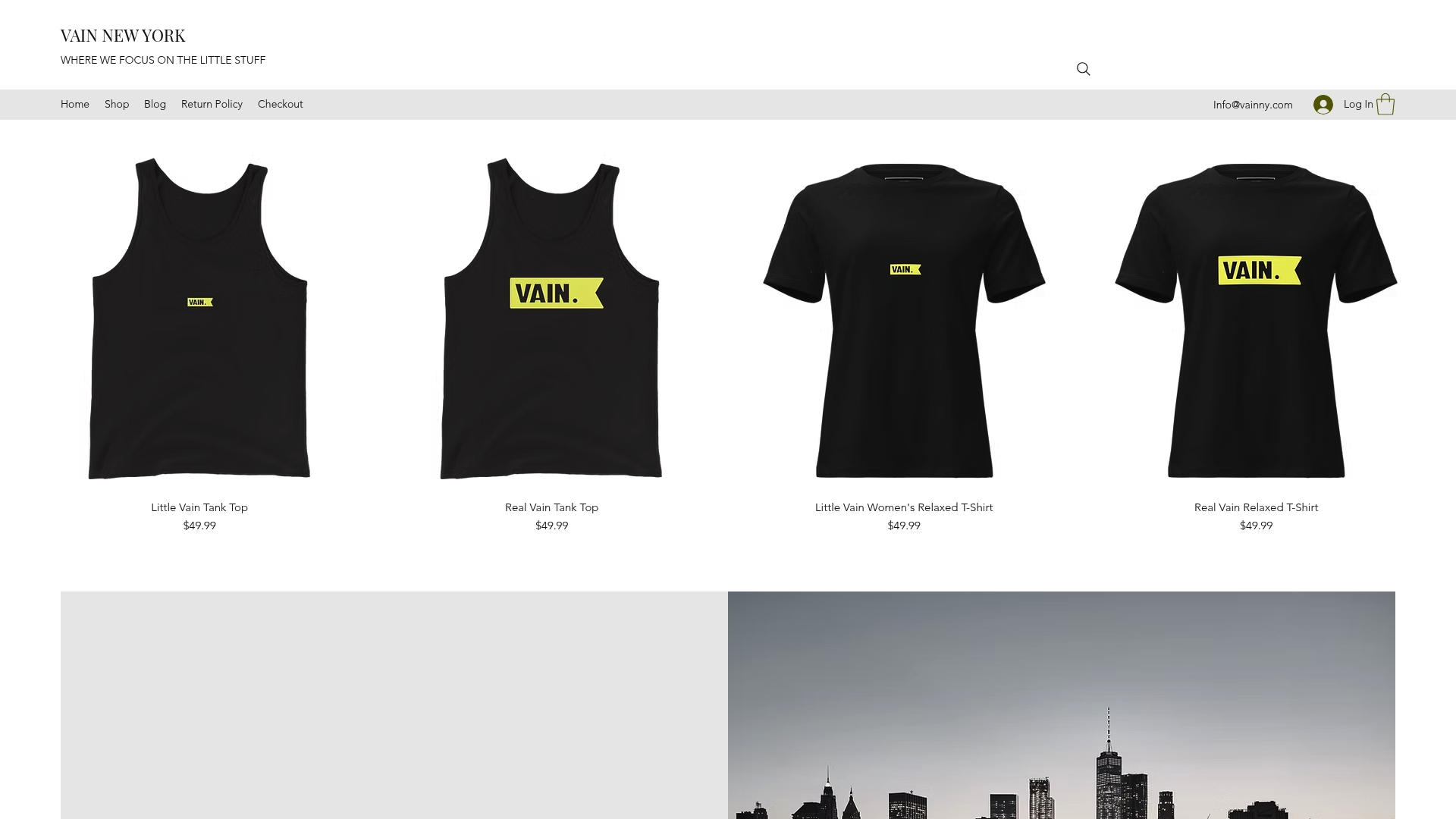
Vainnewyork is built for creators who want to move from aspiring to working. Whether you are building your first production kit, developing your brand as a filmmaker, or looking for inspiration that matches your creative ambition, the Vainnewyork shop brings together products and resources curated for people who make things. We also publish guides on media production fundamentals and content strategy to support every stage of your creative development. The craft deserves the right foundation.
FAQ
What is television production?
Television production is the process of developing, filming, and finishing content for broadcast or streaming platforms. It covers four phases: pre-production, production, post-production, and marketing and distribution.
What do executives look for in a TV pitch?
Hollywood executives expect fully mapped story arcs for streaming pitches and fully realized characters for broadcast. Vague pitches without a clear roadmap consistently stall in development.
What is the most common production mistake for beginners?
Poor audio capture is the most frequent and damaging mistake in beginner productions. Viewers tolerate imperfect visuals far more readily than they tolerate bad sound.
How does post-production differ for streaming versus broadcast TV?
Streaming platforms require platform-specific codecs, detailed metadata, and often vertical cuts for mobile viewing. Broadcast TV follows fixed technical specs and a scheduled release structure.
What does “development hell” mean in television?
Development hell refers to the extended period after a pitch is sold during which a show undergoes rewrites, notes, and revisions before receiving a production green light. This phase often involves substantial unpaid labor and can last years.
Recommended
Comments