Build Your Brand Through Merchandise in NYC

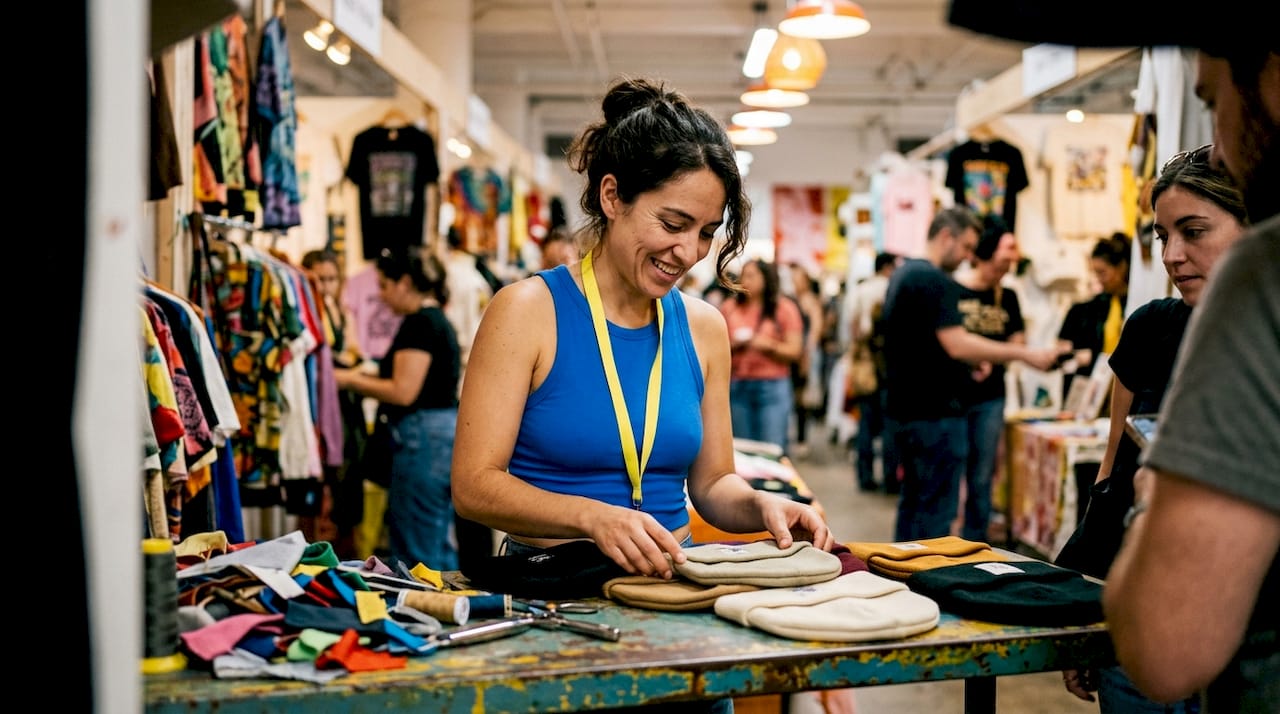
Custom merchandise is defined as branded physical products designed to communicate a business’s identity, values, and personality to its audience. For small to mid-sized businesses looking to build brand through merchandise in NYC, the opportunity is larger than most realize. The global custom merch printing market is projected to grow from $37 billion in 2026 to over $52 billion by 2030. That growth reflects a fundamental shift: physical branded products are no longer just giveaways. They are brand experiences. NYC’s density of foot traffic, cultural events, and creative communities makes this city one of the most fertile environments in the country for merchandise to work as a genuine brand asset.
What key business objectives should shape your brand merchandise strategy in NYC?
A clear merch strategy defines your goals before a single product gets ordered. Without that clarity, you end up with boxes of branded pens nobody wants and a budget that evaporated. The goal you choose shapes every downstream decision, from product type to design to distribution channel.
The three most common objectives for NYC businesses are:
Brand awareness: You want your logo, name, or visual identity in front of new people. Products like tote bags, caps, and T-shirts work best here because people wear and carry them publicly.
Employee loyalty and culture: Internal merch builds team identity. Branded hoodies, notebooks, and drinkware given to staff signal that the business invests in its people.
Direct revenue: Merchandise becomes a product line. This requires tighter margin management, e-commerce integration, and a product assortment that customers actually want to buy.
Each objective demands a different sourcing and design approach. Awareness merch prioritizes visibility and cost efficiency. Revenue merch prioritizes quality, desirability, and perceived value. Loyalty merch prioritizes comfort and personal meaning. Mixing all three without a clear priority leads to mediocre results across the board.
Pro Tip: Write your merch objective in one sentence before you contact any supplier. If you cannot state it clearly, your vendor cannot help you effectively.
Which custom merchandise products and printing methods work best for NYC businesses?
Product selection and printing method are two decisions that directly affect your cost, quality, and production timeline. Getting both right from the start saves significant time and money.
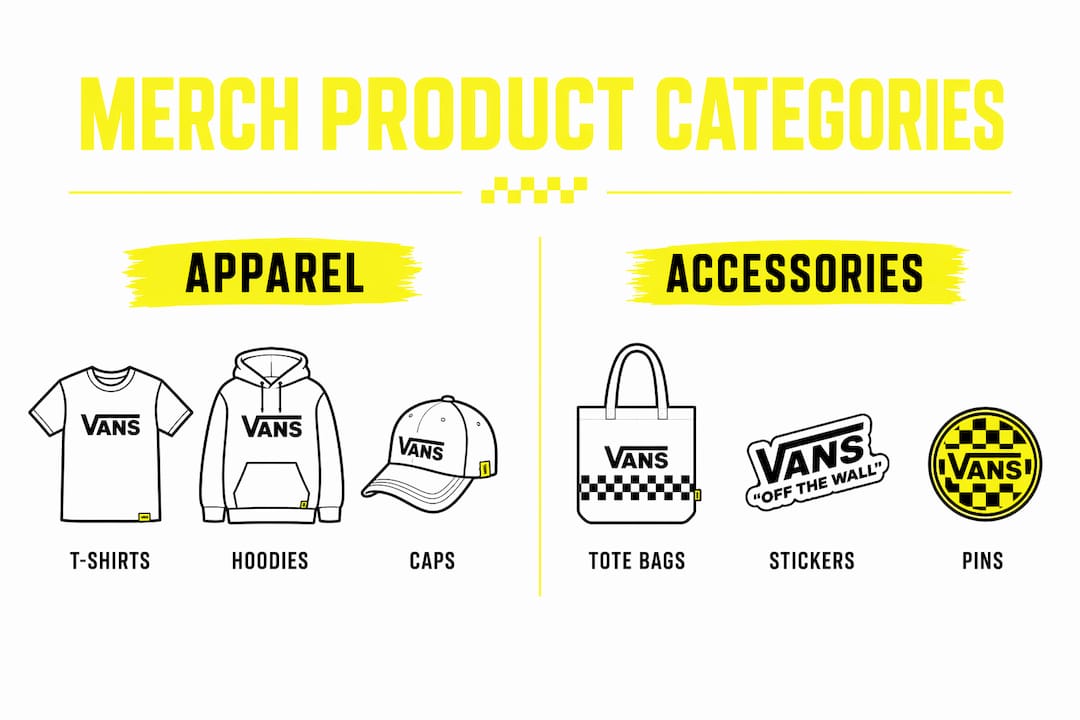
Popular product categories for NYC brands
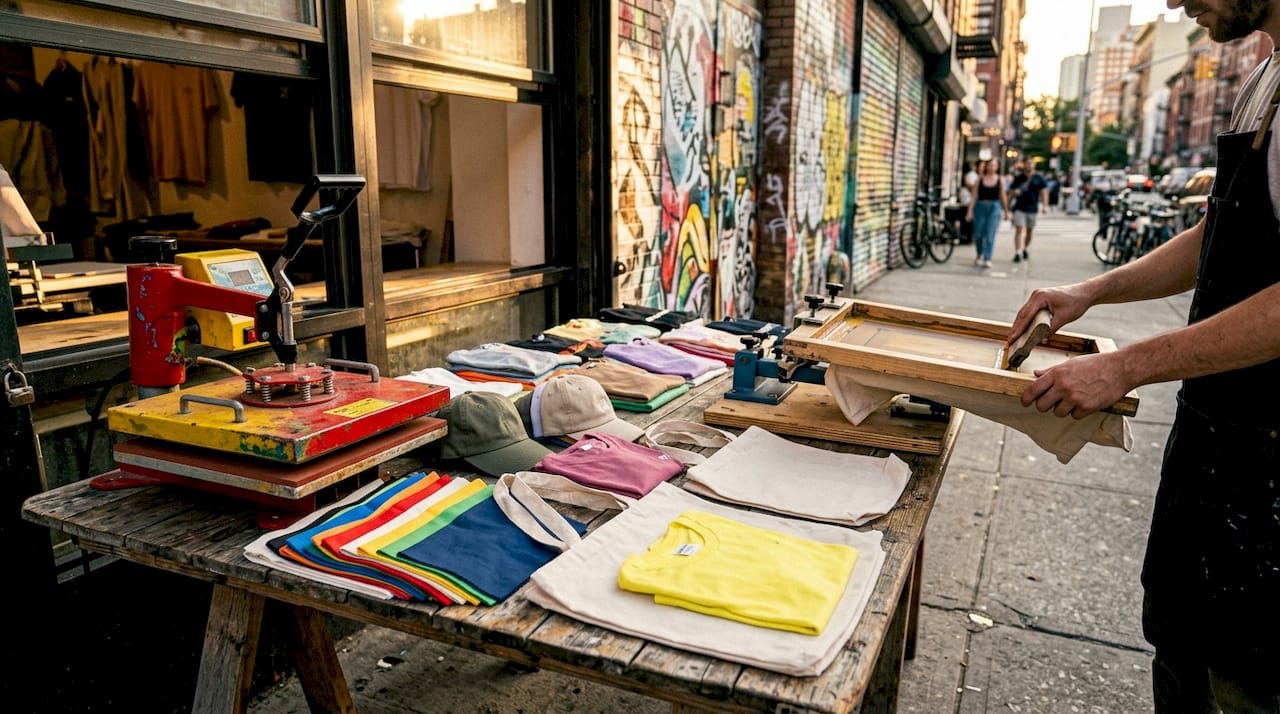
Apparel remains the strongest category for brand visibility. T-shirts, hoodies, and caps travel with people through the city, creating organic impressions at no additional cost. Tote bags are particularly effective in NYC because the city’s culture of walking and transit use means bags get seen constantly. Accessories like phone cases, water bottles, and lanyards work well for tech companies, fitness brands, and event-driven businesses.
Custom apparel also carries a design advantage that most businesses underuse. When the graphic design is strong, the product becomes something people choose to wear rather than something they feel obligated to keep. That distinction separates effective brand merchandise from forgettable swag.
Printing methods compared
Method | Best for | Cost level | Detail quality |
Screen printing | Large runs, bold graphics | Low per unit | High |
DTG (direct to garment) | Small runs, photo-quality prints | Medium per unit | Very high |
DTF (direct to film) | Hard surfaces, complex designs | Medium per unit | High |
Embroidery | Premium apparel, hats | Higher per unit | Textured, durable |
Screen printing is the most cost-efficient method for orders above 24 pieces. Standard bulk screen printing turnaround in NYC runs 7–10 business days after artwork approval, with rush options available for time-sensitive campaigns. DTG suits smaller runs where you need photographic detail or multiple color variations without setup fees.
Startup costs are more accessible than most business owners expect. Heat press equipment runs under $200, and wholesale blank tees start at $2.95 each. That means a small NYC business can test a merchandise concept with a modest investment before committing to larger production runs.
Pro Tip: Partner with NYC apparel manufacturers for faster turnaround and better quality control. Local sourcing reduces shipping delays and lets you inspect samples in person before full production.
How to plan and execute a merchandise campaign that drives brand engagement in NYC
A merchandise campaign is not a one-time product order. It is a coordinated effort that ties physical products to marketing moments, community events, and customer touchpoints. The businesses that see the strongest results treat merch as a calendar-driven system rather than static inventory sitting in a storage room.
Here is a practical framework for NYC businesses:
Map your marketing calendar first. Identify the events, seasons, and moments that matter to your audience. NYC offers a rich calendar: Fashion Week, local street fairs, borough-specific cultural events, and holiday shopping seasons. Align product drops to these moments.
Design for the moment, not just the brand. A limited-edition product tied to a specific event creates urgency. A generic logo tee does not. Collectible or event-specific designs drive excitement and sell faster.
Integrate with social media before and after the drop. Tease the product on Instagram and TikTok before it launches. Post behind-the-scenes content from production. Share customer photos after the drop. The product itself becomes content.
Use live customization at events. Interactive merchandise at events creates stronger emotional connections than passive branded swag. Live screen printing, embroidery stations, or on-site customization turn a product pickup into a brand experience people remember and share.
Plan your inventory with a hero-plus-novelty model. Stock your highest-demand products consistently as your “hero” items. Add limited, collectible pieces to each drop to generate excitement without overcommitting inventory. This approach reduces overstock risk while keeping your audience engaged.
Place products strategically in physical retail. Eye-level placement near high-traffic checkouts reduces shopper decision fatigue and increases impulse purchases. If you sell through a physical location, treat your merch display as a visual extension of your brand identity.
Pro Tip: Set a hard cap on your initial production run. It is far better to sell out and reorder than to sit on unsold inventory. Scarcity also builds demand for your next drop.
What common challenges do NYC brands face when building merchandise programs?
Most merchandise programs fail not because of bad products but because of avoidable process mistakes. Recognizing these pitfalls early saves both money and brand credibility.
The most common mistakes include:
Treating the merch partner as a vendor, not a collaborator. A supplier who only fulfills orders will not flag a design that will not print well or suggest a product that fits your audience better. Choosing a merch partner who acts as a strategic extension of your team produces better results and fewer costly surprises.
Skipping quality control on samples. Always request a physical sample before approving full production. Colors shift between screen and fabric. Sizing can vary by manufacturer. A sample review catches these issues before they become a 500-unit problem.
Inconsistent branding across products. Your merch should feel like it belongs to the same visual family as your website, packaging, and social media. Inconsistent fonts, colors, or logo treatments confuse customers and weaken brand recognition.
Underestimating fulfillment logistics. Shipping, storage, and distribution are real operational costs. NYC businesses that sell online need a fulfillment plan before they launch, not after.
“The difference between a merch program that builds a brand and one that drains a budget is almost always the quality of the partnership and the clarity of the strategy behind it.”
Graphic design quality also plays a larger role than most businesses acknowledge. A poorly designed product reflects poorly on the brand, regardless of how good the printing quality is. Invest in design before you invest in production.
Key takeaways
Custom merchandise builds brand equity in NYC when it is tied to clear objectives, quality production, and a calendar-driven campaign strategy rather than one-off product orders.
Point | Details |
Define your objective first | Choose awareness, loyalty, or revenue as your primary goal before selecting any product. |
Match printing method to run size | Screen printing wins on cost for large runs; DTG suits small, detail-heavy orders. |
Treat merch as a campaign system | Tie product drops to marketing moments and NYC events for maximum engagement. |
Use live customization at events | Interactive merch experiences create stronger brand connections than passive giveaways. |
Choose partners, not just vendors | A merch partner who offers strategic input produces better outcomes than one who only fulfills orders. |
Why merchandise is the most underrated brand asset in NYC
I have watched businesses in this city spend thousands on digital ads that disappear the moment the budget runs out. A well-made branded hoodie, on the other hand, walks through Williamsburg, rides the subway to Midtown, and shows up at a rooftop party in the Bronx. It does not stop working when the campaign ends.
What I have come to believe is that merchandise is not a marketing tactic. It is a physical manifestation of your brand culture. The businesses that get this right are the ones that think about how the product will make someone feel when they wear it or use it, not just how it will look in a product photo. That emotional dimension is what separates community-building merchandise from forgettable promotional items.
NYC is also a city where authenticity gets tested in public every single day. Your customers will wear your brand in front of other people who have opinions. That means the design, the quality, and the story behind the product all matter. A cheap tee with a rushed logo tells people exactly how much you value your own brand. A thoughtfully designed, well-made piece tells a completely different story.
My honest advice: start smaller than you think you need to, invest more in design than you think is necessary, and find a partner who will push back on your ideas when they are not good enough. That combination produces merchandise programs that actually build something lasting.
— Neville
Vainnewyork’s approach to brand merchandise in NYC
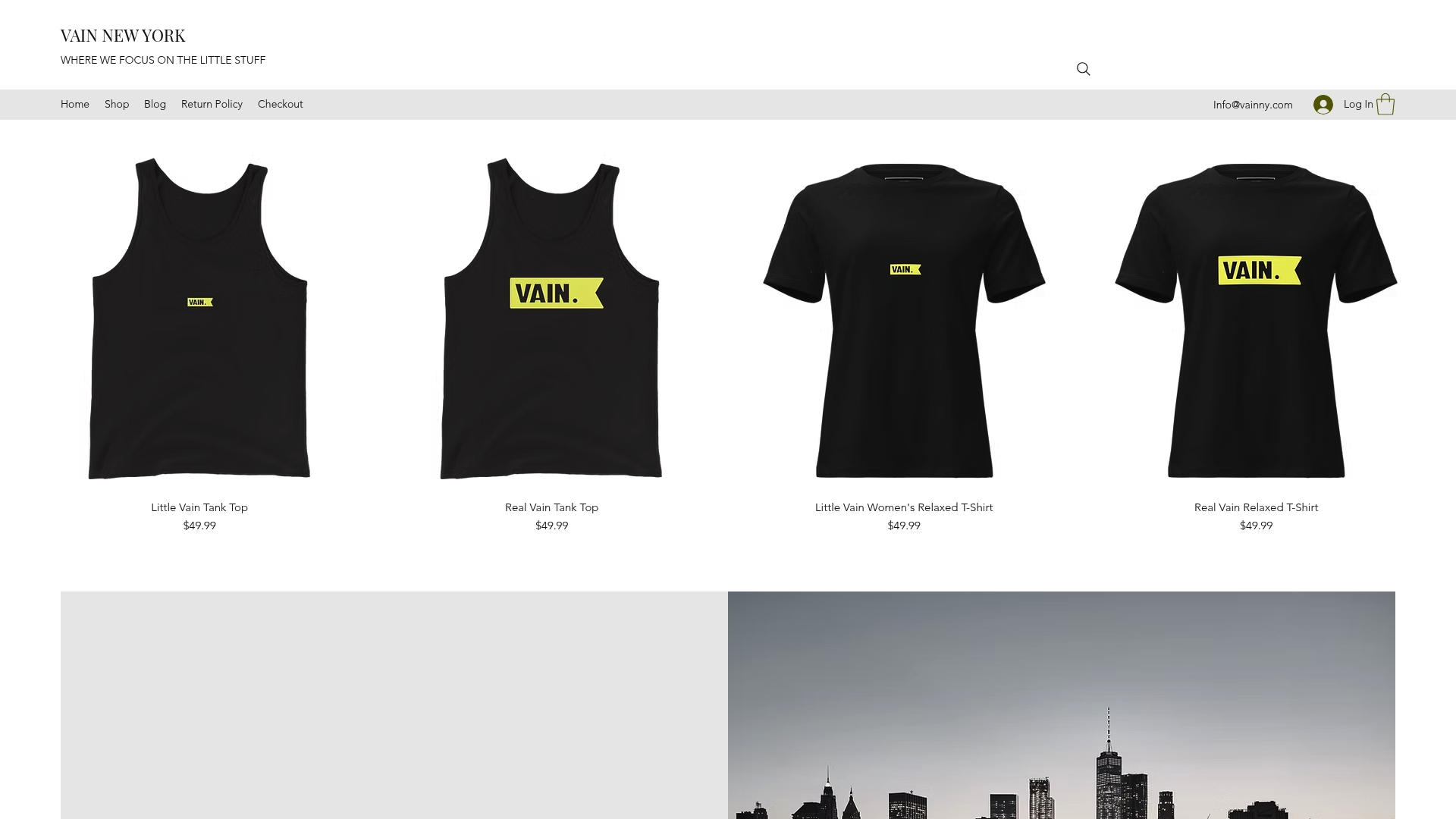
Vainnewyork works with small to mid-sized NYC businesses to create merchandise programs that go beyond logo placement. As a creative consultancy and production company, Vainnewyork brings together brand strategy, design, and production expertise to help businesses build physical brand experiences that resonate with real audiences. Whether you are launching your first product drop or building out a full merchandise line, the team approaches every project as a creative collaboration, not a transaction. Explore the full range of custom branded products available through Vainnewyork and find the right starting point for your brand’s next chapter.
FAQ
What does it mean to build a brand through merchandise?
Building a brand through merchandise means using custom physical products to communicate your business’s identity, values, and personality to customers and the public. Effective merchandise turns everyday objects into brand touchpoints that generate awareness and loyalty.
How much does it cost to start a merchandise program in NYC?
Startup costs can be minimal. Heat press equipment runs under $200 and wholesale blank tees start at $2.95 each, making it accessible for small businesses to test merchandise concepts before scaling production.
What is the fastest printing turnaround for NYC merchandise?
Standard bulk screen printing in NYC takes 7–10 business days after artwork approval. Rush options are available from many local suppliers for time-sensitive campaigns or events.
Which merchandise products work best for NYC brand visibility?
T-shirts, hoodies, tote bags, and caps are the strongest performers for brand visibility in NYC because they travel with people through a high-density urban environment, generating organic impressions throughout the day.
How do I choose the right merch partner in NYC?
Choose a partner who acts as a strategic collaborator, not just an order fulfillment service. The right partner will offer design feedback, flag production issues early, and help align your product choices with your brand objectives.
Recommended
Comments