Build a Merch Store for Creators: 2026 Guide


Building a merch store for creators is the process of setting up an online shop to sell branded products that resonate with your audience while keeping production and fulfillment costs low. Platforms like Printful, Shopify, and AI-powered tools like Laike.me have made it possible to create a merchandise store with no inventory, no warehouse, and no design degree required. The real opportunity here is not just revenue. A well-run merch shop deepens audience loyalty, turns passive followers into paying supporters, and gives your brand a physical presence in the world. This guide covers every step, from choosing your platform to shipping your first order.
What platforms are best for building a merch store?
The best platform for your merch store depends on how much control you want versus how much you want handled for you. Platform choice sits on a spectrum: full-service print-on-demand on one end, fully customizable storefronts on the other.
Print-on-demand services are the fastest entry point. Printful, Spreadshop, Bonfire, and Teemill all produce and ship products only after a customer places an order. No upfront inventory is required, which removes the biggest financial barrier for new creators. You upload a design, set a price, and the platform handles printing, packing, and shipping.
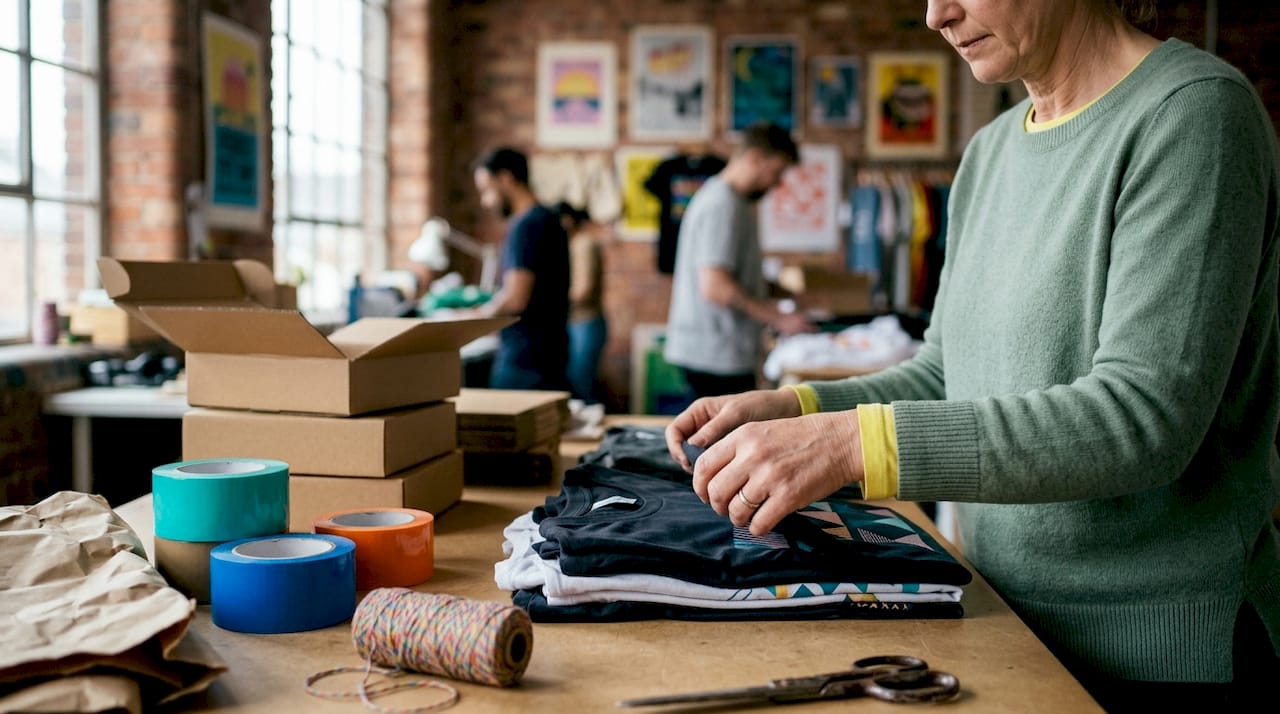
For creators who want more brand control, platforms like Big Cartel and Shopify offer deeper customization. Big Cartel lets you build a store that looks entirely your own, but you manage your own printing relationships. Shopify connects to Printful via integration, giving you both brand control and fulfillment automation. The tradeoff is setup time and a monthly platform fee.
Laike.me sits in a category of its own. It uses AI prompts and image uploads to launch a store in under 3 minutes with zero upfront cost. That speed matters for creators who want to test an idea before committing to a full platform build.
Platform | Best for | Cost model | Fulfillment handled |
Printful | Beginners and Shopify users | Per-product fee | Yes |
Spreadshop | Streamers and YouTubers | Free, revenue share | Yes |
Bonfire | Campaign-style drops | Free, per-campaign | Yes |
Teemill | Eco-conscious creators | Per-product fee | Yes |
Big Cartel | Brand-focused creators | Monthly subscription | No |
Shopify | Scaling stores | Monthly subscription | Via integration |
Speed and simplicity | Free to start | Yes |
Pro Tip: If you are launching your first store, start with a fully managed print-on-demand service. You can always migrate to a more customizable setup once you know which products your audience actually buys.
How to design merch that fits your brand and audience
Strong merch design starts with a clear brand identity. Your audience already has a visual relationship with you through your content, your color palette, your logo, and your tone. Your products should feel like a natural extension of that world, not a generic T-shirt with your name slapped on it.
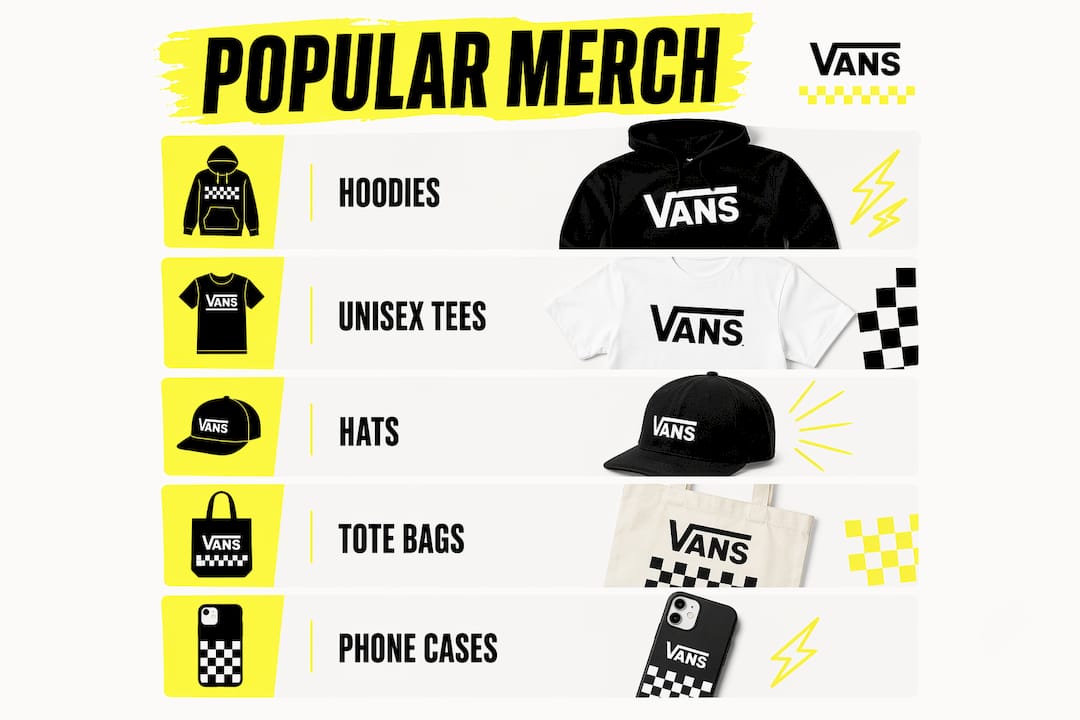
The most popular product categories for creators are hoodies, unisex tees, hats, tote bags, and phone cases. These items have broad appeal and work across most niches. Start with two or three products rather than a full catalog. A focused launch is easier to promote and easier to manage.
Quality matters more than most new creators expect. Premium base garments increase customer loyalty and brand perception, even when they reduce your margin per unit. Cheaper blanks correlate with lower repeat purchase rates. Spending more on the blank means your audience wears the product, photographs it, and shares it. That organic promotion is worth more than the extra margin you saved.
Good apparel mockup tools let you visualize your designs before ordering samples. Placeit and Printful’s built-in mockup generator are both widely used. For deeper brand identity work, the role of graphic design in your merch cannot be separated from how your audience perceives your overall brand.
Common design mistakes to avoid:
Using too many colors, which increases print cost and reduces visual clarity
Designing for yourself rather than for your audience’s lifestyle and wardrobe
Ignoring print area limits, which causes designs to look distorted on the final product
Skipping the sample order and launching blind without seeing the physical product
Copying trends instead of building something that only your community would wear
Pro Tip: Order a sample of every product before you launch. What looks great on a mockup screen can look very different on an actual garment under real lighting.
How to launch and promote your merch store step by step
A successful merch launch follows a clear sequence. Skipping steps, especially in the promotion phase, is the most common reason a first store underperforms.
Upload your designs and configure products. Set up your store with your chosen platform. Add product descriptions that speak to your audience, not generic copy from the platform template. Use your own photos or mockups that match your content aesthetic.
Set your pricing with margin in mind. Cover your base cost, platform fee, and shipping, then add your target margin on top. Most creators price tees between $28 and $38 and hoodies between $50 and $65. Pricing too low signals low quality. Pricing too high without a premium product to back it up loses the sale.
Plan your launch content before the store goes live. Your first post should not be a link drop. Creators who promote merch through dedicated video or stream content see higher conversion rates than those who simply mention a link in a caption. Show the product being worn. Talk about why you made it.
Use a three-post launch sequence. Post on launch day, a midpoint reminder, and a last-chance post before closing the campaign. Midpoint and last-chance reminders significantly boost total sales. Most of your revenue will come from the last 24 hours of a campaign.
Run a campaign-style drop rather than an always-open store. Limited-time drops create urgency and consistently convert better than permanent storefronts. Set a clear deadline. Tell your audience exactly when the store closes.
Troubleshoot before you go live. Check every product page on mobile. Confirm that checkout works end to end. Verify that your payment processor is connected and that order confirmation emails are sending correctly.
How does order fulfillment work in a creator merch store?
Print-on-demand fulfillment follows a simple chain. A customer places an order on your store. The platform receives the order automatically and sends it to a print facility. The facility prints, packs, and ships directly to your customer. You never touch the product.
Production times vary by platform and product type. Most print-on-demand services ship within 3–7 business days after production, with delivery on top of that. Set accurate expectations on your store’s shipping page. Customers who are surprised by wait times leave negative reviews. Customers who were told upfront rarely complain.
Mobile checkout is the most overlooked part of the launch process. Testing mobile checkout before going live is critical. A broken or confusing mobile flow loses customers who were ready to buy. Walk through the full purchase on your phone before you announce the store to anyone.
Customer support for a print-on-demand store is lighter than a traditional retail operation. Most issues fall into three categories: wrong size ordered, shipping delay, or print quality complaint. Have a simple response template ready for each. For print defects, most platforms offer reprints or refunds at no cost to you.
After your first campaign, review your analytics. Which products sold? Which sizes ran out first? Which posts drove the most clicks? That data shapes your next drop. Creators who treat each campaign as a learning cycle build stronger stores with every launch.
Key Takeaways
Building a merch store for creators succeeds when you combine the right platform, quality products, and a timed promotion strategy that creates genuine urgency for your audience.
Point | Details |
Choose platform by control level | Print-on-demand suits beginners; Shopify or Big Cartel suits creators who want full brand ownership. |
Quality blanks drive repeat buyers | Premium garments cost more per unit but increase loyalty and organic word-of-mouth. |
Campaign drops outperform open stores | Limited-time launches with deadlines consistently convert better than always-available storefronts. |
Promote through dedicated content | Video and stream content featuring your merch converts far better than a simple link mention. |
Test mobile checkout before launch | A broken mobile flow loses ready buyers; walk through the full purchase on your phone first. |
What I’ve learned after building merch stores for creators
The single biggest mistake I see creators make is treating merch as passive income from day one. It is not. The first campaign requires real creative energy, real promotion, and real patience. The payoff comes in the second and third drops, when you know your audience’s preferences and your promotion rhythm is dialed in.
Engagement quality beats follower count every time. I have watched creators with 8,000 deeply loyal followers outsell creators with 200,000 casual ones. The audience that comments, shares, and shows up for every piece of content is the audience that buys a hoodie at midnight before the store closes.
The other lesson I keep coming back to is this: fewer products, done well, always outperform a wide catalog done cheaply. Two or three items that your community genuinely wants to wear will build your brand far more effectively than ten mediocre options. Choose quality. Choose focus. Iterate from there.
— Neville
Vainnewyork and the craft of creator merchandise
Creators who care about their brand know that the products they put into the world say something about who they are. Vainnewyork was built on exactly that belief.
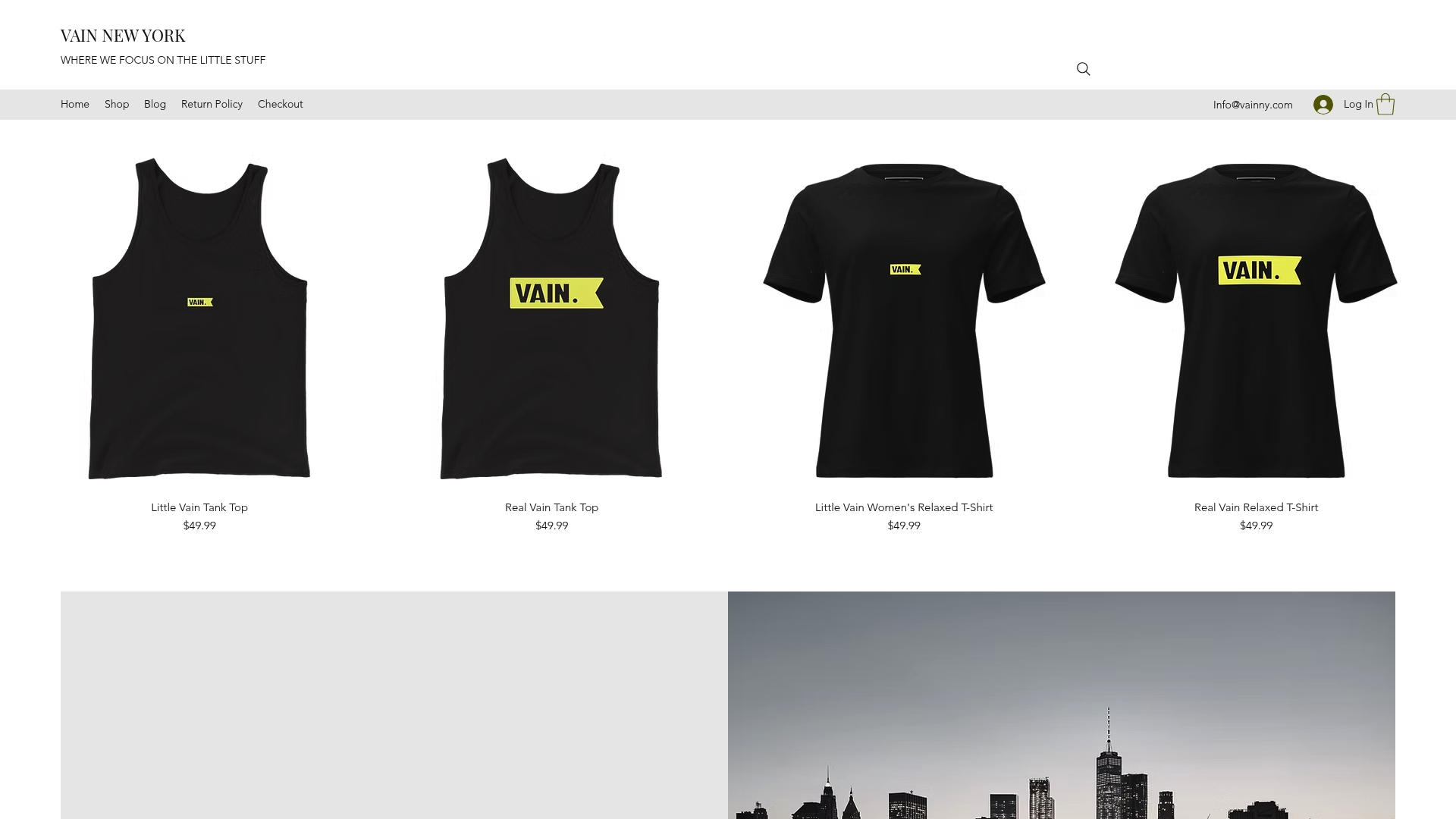
The Vainnewyork shop carries curated pieces designed for creators who take their visual identity seriously. Every product reflects the same attention to craft and culture that drives the brand’s creative work. If you are building your own merch line and want to see what intentional, brand-aligned merchandise looks like in practice, the Vainnewyork collection is worth your time. It is the kind of work that shows what is possible when a brand treats its products as an extension of its creative voice, not just a revenue line.
FAQ
What is the fastest way to build a merch store?
Laike.me lets creators launch a store in under 3 minutes using AI prompts or image uploads, with no upfront cost required.
Do I need a large following to sell merch successfully?
No. Creators with small but highly engaged audiences often outsell larger accounts because their fans have a stronger personal connection to the creator’s brand.
What products sell best in a creator merch store?
Hoodies, unisex tees, hats, and tote bags consistently perform well across most creator niches because they have broad appeal and everyday wearability.
Should I use a campaign drop or keep my store open permanently?
Campaign-style drops with set deadlines convert better than always-open stores because they create urgency and give your audience a clear reason to act now.
How do I handle customer complaints about print quality?
Most print-on-demand platforms, including Printful and Printsome, offer free reprints or refunds for verified print defects, so you can resolve complaints without absorbing the cost yourself.
Recommended
This is such a useful guide for creators who are interested in starting their merch shop in 2026! Indeed, creative branding is so amazing, and it can work in all industries; take book publishing, for example, where creators can make books to read into merchable goods.