Brand Identity Merchandise Examples for Marketers in 2026


Brand identity merchandise is defined as tangible products that embody and extend a brand’s core values, personality, and visual language to drive customer engagement and recall. The industry term for this practice is branded merchandise, and it spans everything from apparel and accessories to consumables and micro-accessories. The best brand identity merchandise examples in 2026 share three qualities: usefulness, uniqueness, and alignment with brand DNA. This article breaks down the criteria, showcases real examples from brands like Pot Gang, GRIMHEAT, and Marathon, and compares product categories so you can build a merchandise program that actually works.
1. What makes brand identity merchandise effective?
Effective branded merchandise starts with usefulness. 67% of consumers cite usefulness as the primary factor in whether they keep a promotional product. That number tells you one thing clearly: if your merchandise sits in a drawer, it fails as a brand touchpoint.
Uniqueness matters almost as much. 44% of consumers say uniqueness drives their decision to keep or display a branded item. Generic pens and cheap tote bags do not move the needle. Products that feel considered and specific to your brand world do.
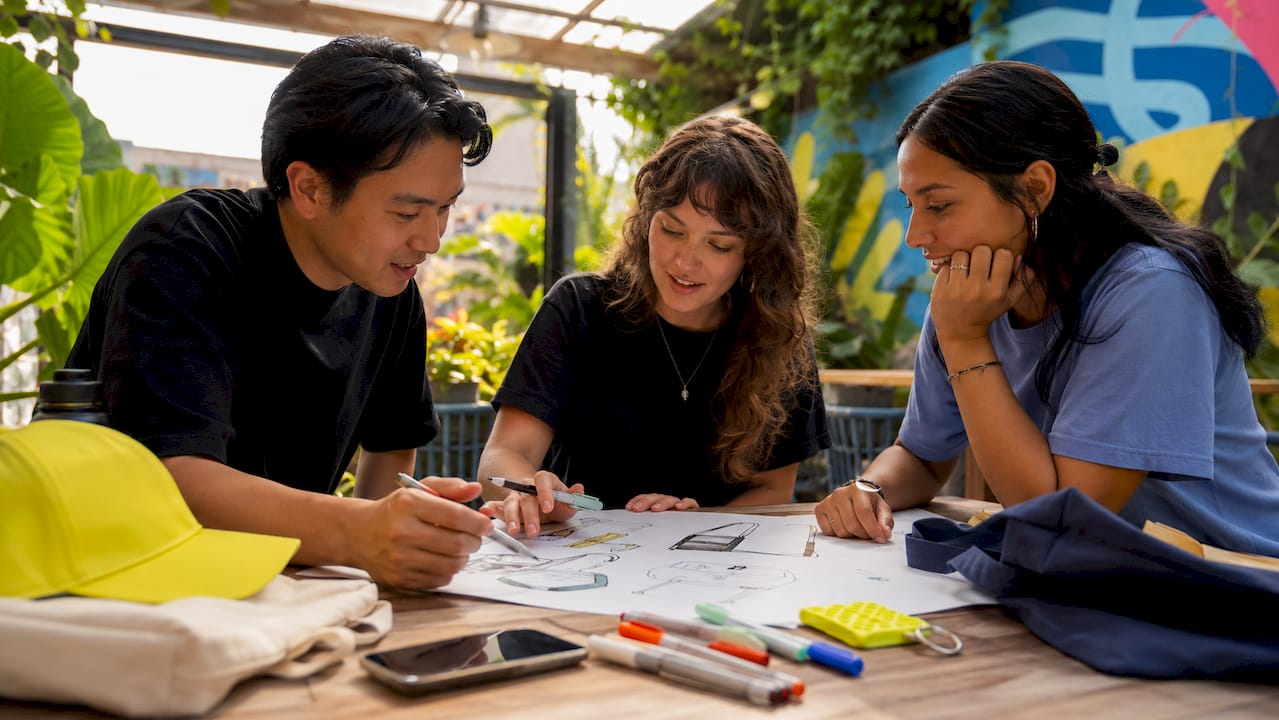
The third pillar is sustainability. 2026 marks a turning point toward intentional, zero-waste merchandise design that aligns with brand values. Eco-conscious consumers notice when brands choose recycled materials, seed paper, or responsibly sourced goods.
There is also a critical distinction between swag and merchandise. Swag is a giveaway; merchandise holds independent value and functions as a lifestyle accessory people would buy on their own. That distinction separates brands that build loyalty from brands that fill landfills.
Usefulness: Products people reach for daily, like mugs, notebooks, and tote bags
Uniqueness: Designs that feel native to your brand world, not generic templates
Sustainability: Recycled materials, seed paper, and zero-waste packaging
Lifestyle fit: Items people would use even without your logo on them
Community input: Designs shaped by your audience, not just your art department
Pro Tip: Before finalizing any merchandise item, ask one question: would someone buy this without the logo? If the answer is no, redesign it.
2. Top brand identity merchandise examples that engage customers
Apparel remains the anchor of most branded merchandise programs. T-shirts lead consumer demand at 45%, followed by hoodies at 40%. The brands that do apparel well, like Marathon, treat each garment as a design artifact rather than a walking billboard. Subtle placement, quality fabric, and lifestyle-forward graphics make the difference between a shirt someone wears and one that ends up in a donation bin.
Functional accessories carry brand identity into daily life. Mugs and tote bags each register at 34% consumer demand. A well-designed mug sits on a desk for years. A quality tote bag travels through airports, farmers markets, and offices. Both create repeated brand exposure without a single dollar of paid media.
Community-driven design is one of the most compelling examples of brand merchandise done right. Pot Gang, rebranded by Land of Plenty, incorporated 180+ user-submitted artworks into its visual system across packaging and merchandise. The result was a product line that customers felt ownership over. That emotional investment is nearly impossible to buy through traditional advertising.
“When your customers are also your design team, the merchandise stops being promotional material and starts being cultural currency.” — Land of Plenty on the Pot Gang rebrand
Immersive brand universes take merchandise further. The Marathon brand by Kurppa Hosk built consistent design DNA across its game, merchandise, pop-ups, and community hubs. Every physical product reinforced the same visual and emotional language. Fans did not just buy merchandise; they bought membership in a world.
GRIMHEAT is another standout example. The brand uses humor and storytelling through a grinning skull mascot, vivid color, and deadpan copy across sauce bottles and gift boxes. The merchandise is the campaign. Every product tells the same story the brand tells everywhere else.
Sustainable options are growing fast. Seed paper products, recycled material tote bags, and devices like GOMI portable chargers made from recycled plastic represent a category that signals values as loudly as any logo. Micro-accessories like branded straw toppers, bottle openers, and keyrings create frequent brand exposure at low cost and high portability.
Understanding graphic design’s role in merchandise is what separates forgettable products from ones people actually want to own.
3. How do different merchandise items compare in impact?
Not every product category delivers the same return. The table below compares the most common branded merchandise types across four dimensions: utility, brand impact, sustainability potential, and cost-effectiveness.
Category | Utility | Brand impact | Sustainability potential | Cost-effectiveness |
T-shirts and hoodies | High | High | Medium (organic cotton options) | Medium |
Mugs and drinkware | High | High | Medium (reusable by nature) | High |
Tote bags | High | Medium | High (recycled canvas) | High |
Notebooks and stationery | Medium | Medium | High (recycled paper, seed paper) | High |
Micro-accessories (keyrings, straw toppers) | Medium | Medium | Medium | Very high |
Fanny packs and bags | Low | Medium | Low | Low |
Seed paper products | Low | High | Very high | Medium |
T-shirts and mugs dominate because they combine daily utility with high visibility. Tote bags punch above their weight on sustainability. Fanny packs register at only 13% consumer demand, making them a niche choice suited to specific brand personalities rather than broad programs.
A minimalist approach to logo placement on premium products consistently outperforms loud branding on cheap goods. Perceived value rises when the product quality speaks first and the logo plays a supporting role.
Pro Tip: Build a focused line of three to five high-quality items rather than a catalog of twenty mediocre ones. Depth beats breadth every time in branded merchandise.
4. What trends are shaping branded merchandise in 2026?
The most significant shift in 2026 is the move from giveaway culture to merchandise as a product line. Distinguishing merchandise from swag elevates brand reputation and creates genuine consumer loyalty. Brands that treat their merchandise program with the same seriousness as their core product line see compounding returns in brand equity.
Here are the four trends defining the space right now:
Community co-creation. Pot Gang and Land of Plenty proved that involving customers in design transforms them from buyers into brand stakeholders. User-submitted artwork, community votes on colorways, and collaborative drops all deepen the emotional bond between brand and audience.
Zero-waste and eco-conscious design. Seed paper packaging, recycled material garments, and refillable product formats are no longer niche. They are table stakes for brands that want to connect with environmentally aware consumers in 2026.
Lifestyle branding over logo placement. Successful branded merchandise creates products people want to use regardless of brand affiliation. A well-designed café mug or a beautifully illustrated tote bag earns its place in someone’s life on merit, and the brand rides along.
Brand storytelling through product. GRIMHEAT’s approach proves that merchandise can carry the full weight of a brand campaign. When the product itself tells the story, you do not need a separate advertising layer to explain what the brand stands for.
“The best merchandise does not advertise a brand. It embodies one.” — Vainnewyork editorial perspective
Brands that treat creative merchandise concepts as an extension of their storytelling, rather than a budget line item, consistently build stronger audience connections. The 2026 branded merchandise trends confirm that intentionality is the defining quality of programs that last.
Key takeaways
The most effective branded merchandise combines daily utility, distinctive design, and honest alignment with brand values to create products people choose to keep, use, and display.
Point | Details |
Usefulness drives retention | 67% of consumers keep merchandise because it is useful, not because it looks good. |
Uniqueness separates brands | 44% of consumers cite uniqueness as a key factor, so generic designs waste budget. |
Merchandise beats swag | Products with standalone value build loyalty; giveaways build clutter. |
Community co-creation works | Pot Gang’s 180+ user-submitted artworks show that audience involvement deepens brand equity. |
Quality over quantity | A focused line of three to five premium items outperforms a large assortment of cheap products. |
Why I think most brands are still getting merchandise wrong
Most brands treat merchandise as an afterthought. They order a thousand pens with a logo, hand them out at a trade show, and call it brand building. That approach does not build anything except a pile of objects no one wanted.
What I have seen work, consistently, is treating merchandise as its own product line with the same creative rigor you would apply to a hero campaign. That means briefing a designer properly, choosing materials that reflect your brand’s quality standards, and asking hard questions about whether the product earns its place in someone’s life.
The community co-creation model is underused and undervalued. When Pot Gang handed design input to its customers, it did not lose control of the brand. It gained 180 brand ambassadors who felt personally invested in the outcome. That is a return on creative investment that no paid media budget can replicate.
Sustainability is not optional anymore. Choosing recycled materials or seed paper is not a marketing tactic. It is a signal about what your brand actually believes. Consumers read that signal clearly, and they remember it.
My practical advice: start with one product. Make it exceptional. Make it something you would genuinely want to own. Then build from there. A single, beautifully executed branded item does more for brand recognition than a catalog of forgettable ones.
— Neville
Discover merchandise that reflects your brand
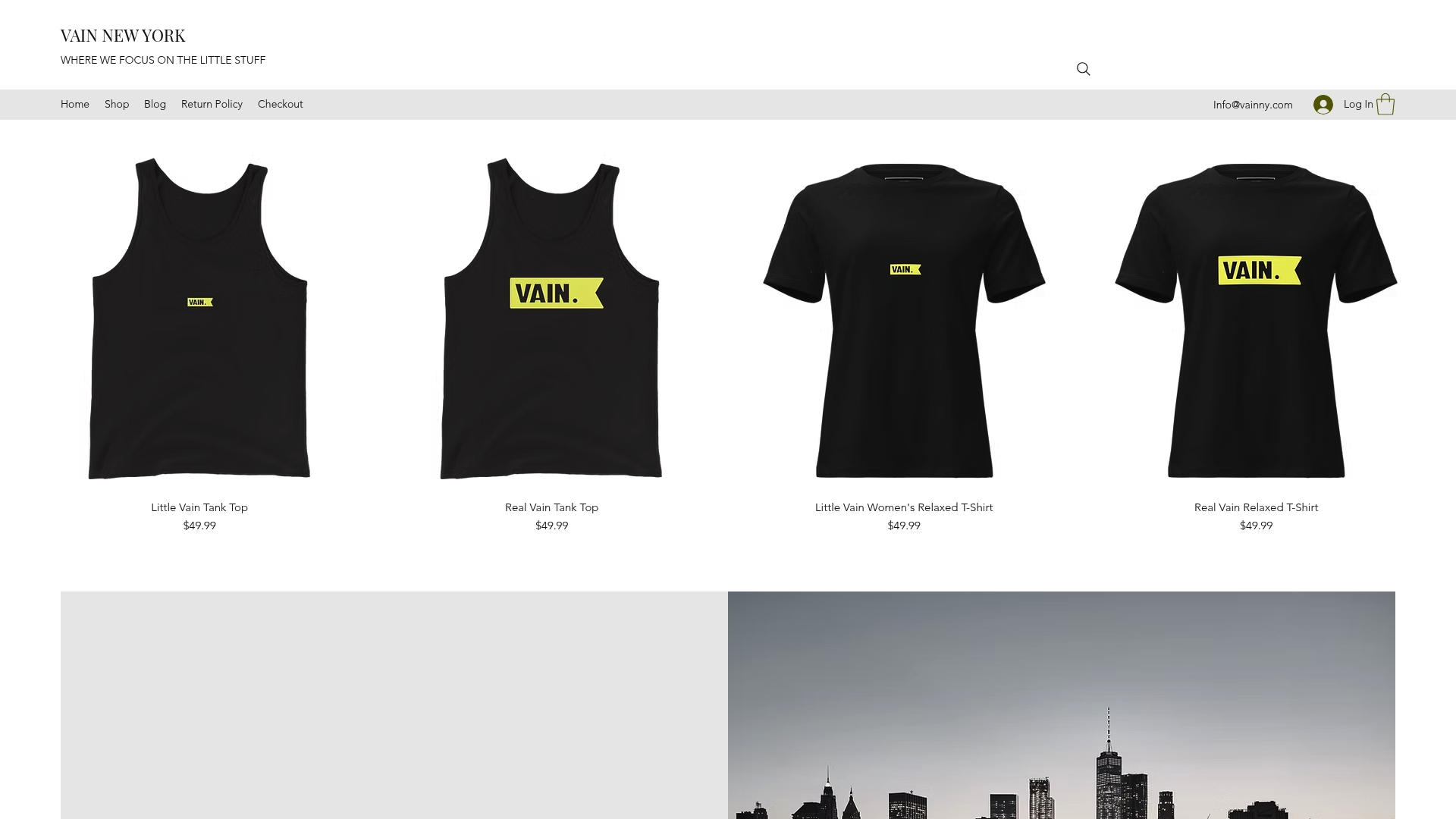
Vainnewyork approaches branded merchandise the same way it approaches every creative project: with intention, craft, and a clear point of view. If you are looking for inspiration or ready to invest in apparel and accessories that genuinely reflect your brand identity, the Vainnewyork shop is a strong place to start. Every piece is designed to carry meaning beyond the logo. Whether you are building a merchandise program from scratch or refining an existing line, browse the full collection and see what premium, subtly branded products actually look like in practice.
FAQ
What are the best brand identity merchandise examples?
The strongest examples include apparel with lifestyle-forward design, community-driven packaging like Pot Gang’s user-submitted artwork series, and storytelling-led products like GRIMHEAT’s hot sauce bottles. Each embodies brand personality rather than simply displaying a logo.
How is branded merchandise different from promotional swag?
Swag is a free giveaway with no standalone value. Branded merchandise holds independent value as a lifestyle product people would purchase on its own. That distinction is what separates programs that build loyalty from ones that generate waste.
What merchandise items do consumers prefer most?
T-shirts lead at 45% consumer demand, followed by hoodies at 40%, pens at 38%, and mugs and tote bags each at 34%, according to VistaPrint’s 2026 research. Utility and uniqueness are the two factors consumers cite most often.
Why does community co-creation improve branded merchandise?
When customers contribute to the design process, they become stakeholders in the brand rather than passive buyers. Pot Gang’s collaboration with Land of Plenty, which incorporated over 180 user-submitted artworks, demonstrates how co-creation deepens emotional investment and brand equity.
How do I choose the right merchandise for my brand?
Start by asking whether the product is useful enough that someone would keep it without the logo. Then evaluate whether the design feels native to your brand world. A focused line of three to five high-quality, subtly branded items consistently outperforms a large assortment of generic products.
Recommended
Comments