How to Launch a Merchandise Collection in NYC
- Vain.

- Jun 28
- 7 min read
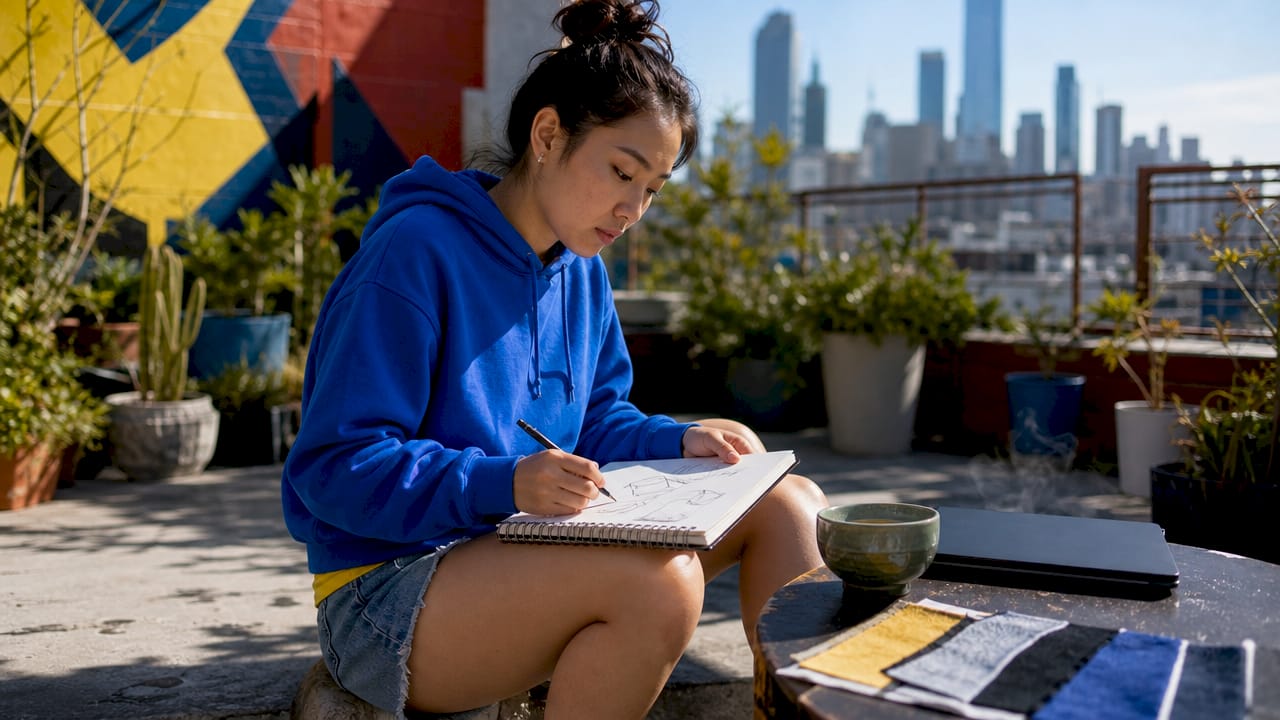
Launching a merchandise collection in NYC is a strategic process that blends creative vision with local culture and disciplined execution. The city rewards brands that treat their drops as cultural events, not just sales. NYC consumers are discerning, community-driven, and deeply loyal to brands that reflect their identity. This guide covers every stage of a successful NYC merch launch, from sourcing local manufacturers to timing your drop around the city’s cultural calendar, with real examples from collections that sold out within hours.
What prerequisites are essential to launch merchandise collection NYC?
A successful NYC merch launch begins long before the first unit ships. The three non-negotiable foundations are a trusted local manufacturer, a community partnership, and a realistic budget built around NYC pricing realities.
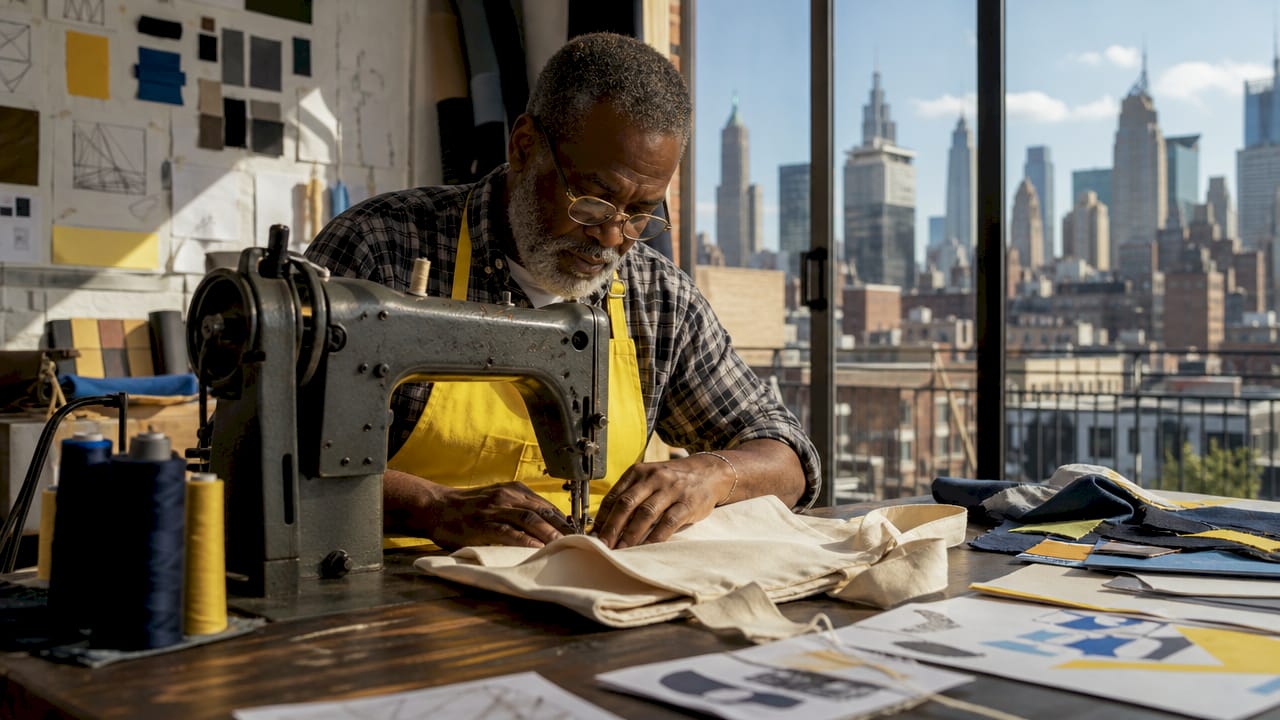
Local manufacturing is the most underrated asset in this city. Partnering with Brooklyn-based studios like Mazzi Sports, which hand-produced limited jerseys for a high-profile 2026 collection, gives your brand an authentic “Made in NYC” narrative that justifies premium pricing and builds collector appeal. That narrative is not just marketing. It is a quality signal that NYC shoppers recognize and pay for.
Community engagement comes next. Open calls for local artists to contribute original designs are one of the most effective tools for building pre-launch buzz. A june 2026 NYC Pride merchandise program used this approach, with community-designed items retailing at $25 for tote bags and $32–$35 for shirts. Those price points reflect what the NYC market accepts for culturally meaningful, limited goods.
Here is a resource overview to organize your pre-launch checklist:
Resource category | Examples and notes |
Local manufacturers | Brooklyn and Garment District studios; hand-production adds collectible value |
Artist collaborations | Open calls, community submissions, local illustrators |
Pricing benchmarks | Tote bags $25, shirts $32–$50, collectible sets $14–$80 |
Legal and permits | NYC event permits, sales tax registration, resale policy |
Distribution channels | Pop-up venues, online drops, partner retail locations |
Pro Tip: Lock in your manufacturer at least 90 days before your target launch date. NYC studios with strong reputations book quickly, especially around major cultural events.
How to develop a merchandise concept that resonates with NYC audiences
The strongest NYC collections are built on a specific cultural truth, not a generic aesthetic. NYC merchandise succeeds when it acts as a symbol of local pride using iconic city imagery rather than broad branding. Think pigeons, the Big Apple, borough-specific references, and neighborhood histories. These details signal authenticity to a city that has seen every trend come and go.
A creative merchandise concept for NYC audiences should answer one question: what does this collection say about this city right now? The answer should be specific enough to feel personal and broad enough to invite community ownership.
Consider these design directions that consistently perform well in the NYC market:
Archival and historical references. Pull from the city’s visual archives, old subway maps, 1970s street photography, or Harlem Renaissance typography. These references carry emotional weight that generic streetwear cannot replicate.
Collectible formats beyond apparel. The 50th anniversary Taxi Driver collection, produced in collaboration with the Tribeca Festival, used multi-format collectibles including pins, posters, and keychains to bridge fashion and memorabilia collectors. That dual audience doubles your reach.
Community-driven design input. Invite your audience into the creative process through social polls, open submissions, or neighborhood-specific focus groups. The result feels co-owned, and co-owned collections generate organic word-of-mouth.
Borough-specific storytelling. A collection rooted in the Bronx hip-hop scene hits differently than one vaguely labeled “New York.” Specificity builds credibility.
Pro Tip: Design at least one item in your collection that works as a standalone art object. Framed posters and numbered prints attract collectors who would never buy a hoodie, and they photograph beautifully for social media.
What are proven inventory and launch strategies for NYC merchandise collections?
Limited runs are the engine of demand in NYC. A 2026 collection of 1,500 units across three colorways priced at $50 each sold out immediately and generated intense consumer demand. That result was not accidental. It came from deliberate scarcity combined with transparent communication.
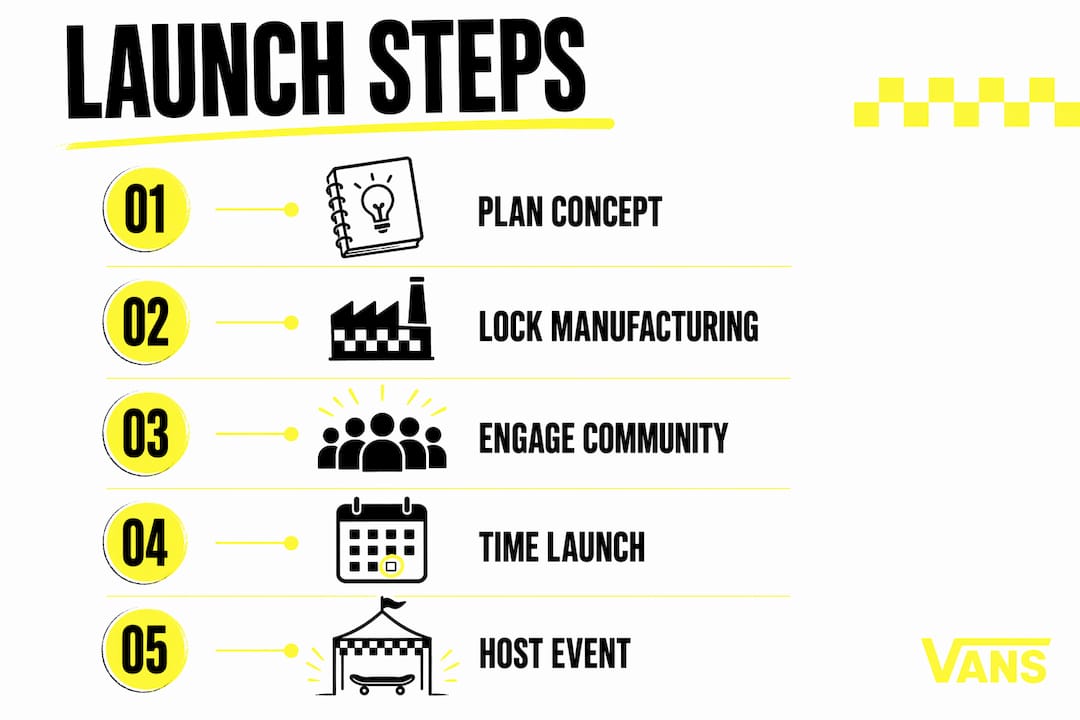
Here is a proven launch sequence for a New York product collection:
Set a hard unit cap. Announce the total run size publicly before launch. Scarcity is only powerful when buyers believe it is real.
Use tiered inventory. Release 60% of units at launch and hold 40% for a second drop. This approach keeps the conversation alive after day one.
Enforce purchase limits. Caps of two items per person reduce reseller activity and protect the experience for genuine fans. Announce this policy before launch day.
Pre-announce restocks. Pre-announced replenishments reduce reseller markups and protect brand reputation. Buyers who miss the first drop stay engaged instead of turning to secondary markets.
Time your drop to the cultural calendar. Festival-tied collections priced at $40–$80 with multi-delivery windows consistently outperform generic seasonal drops. NYC’s calendar includes Governors Ball, the West Indian Day Parade, and the Tribeca Festival, among dozens of other anchor events.
Here is a comparison of launch timing approaches:
Timing approach | Best for | Trade-off |
Cultural event tie-in | Maximum local relevance and press | Requires 3–6 months of lead time |
Seasonal drop (fall/spring) | Broader fashion calendar alignment | Higher competition from major brands |
Surprise drop | Social media virality | Harder to build pre-launch community |
Anniversary or milestone | Storytelling depth and collector appeal | Requires strong existing brand history |
Pro Tip: If you are timing your drop to a festival or city event, submit your press materials to local outlets like Gothamist and Brooklyn Magazine at least three weeks before launch. These publications move fast and cover culturally relevant drops.
How to execute a product launch event and marketing campaigns for NYC audiences
A physical launch event in NYC is not optional for collectible merchandise. It is the moment your brand becomes real to the city. Lines for NYC limited drops can start forming at 1 a.m. for a 9 a.m. opening. That energy is your greatest marketing asset, but only if you manage it well.
Crowd management requires coordination with local authorities and clearly communicated purchase limits. Brands that handle this well earn press coverage and community goodwill. Brands that handle it poorly become cautionary tales shared across NYC fashion forums.
Your marketing campaign should run on three tracks simultaneously:
Social media virality through exclusive formats. Mystery box drops, like the NYC-themed Wishables released at Disney Store Times Square, generate TikTok content organically because buyers film their unboxing. Build that reveal moment into your product design.
Local institution partnerships. Align with a museum, cultural organization, or city program that shares your audience. Their existing community becomes your launch audience, and the association adds credibility that paid advertising cannot buy.
Community merchandise storytelling. Community merchandise builds culture when the story behind the collection is told consistently across every channel. Write the origin story. Post the studio footage. Show the artist at work.
Pro Tip: Create a dedicated hashtag for your launch and seed it with three to five local creators before the public drop. When the line forms outside your venue, those creators are already there documenting it.
Key takeaways
A successful NYC merchandise launch requires local manufacturing, cultural specificity, and disciplined inventory management working together from day one.
Point | Details |
Secure local manufacturing early | Brooklyn and Garment District studios book fast; confirm partnerships 90 days out. |
Build cultural specificity into the concept | NYC-specific icons and neighborhood stories outperform generic branding every time. |
Use limited runs with tiered inventory | Cap units publicly, enforce purchase limits, and pre-announce restocks to manage demand. |
Time drops to the cultural calendar | Festival and event tie-ins generate press and community engagement that seasonal drops cannot match. |
Plan the physical event with crowd management | Coordinate with local authorities, communicate purchase limits early, and document the line for social media. |
What I have learned from watching NYC merch launches succeed and fail
The brands that last in this city are not the ones with the biggest budgets. They are the ones that treat their merchandise as a genuine expression of where they come from. I have watched well-funded collections land flat because they used NYC as an aesthetic backdrop rather than a real cultural foundation. And I have watched scrappy, locally made drops sell out in under an hour because the story behind them was undeniably true.
The most common mistake I see is brands treating the launch event as the finish line. The event is actually the starting gun. What you do in the 30 days after your drop determines whether you built a community or just moved inventory. Post the behind-the-scenes footage. Respond to every tagged photo. Announce the next drop before the excitement from the first one fades.
Authentic local manufacturing is not just a talking point. It is the structural difference between a collection that feels like a souvenir and one that feels like a piece of the city. When buyers know a Brooklyn studio made their jersey by hand, they wear it differently. They talk about it differently. That word-of-mouth is worth more than any paid campaign.
NYC consumers are also more forgiving of imperfection than brands expect. A small run that sells out fast, with a genuine story and a clear promise of what comes next, builds more loyalty than a polished drop that feels corporate. Lean into the craft. Lean into the city. The market will respond.
— Neville
How Vainnewyork supports NYC fashion brands at launch
Vainnewyork is built for exactly this moment. As a creative consultancy and production company rooted in New York culture, Vainnewyork works with fashion brands and creators to develop merchandise concepts, connect with local manufacturing partners, and build the content strategy that makes a launch resonate beyond day one.
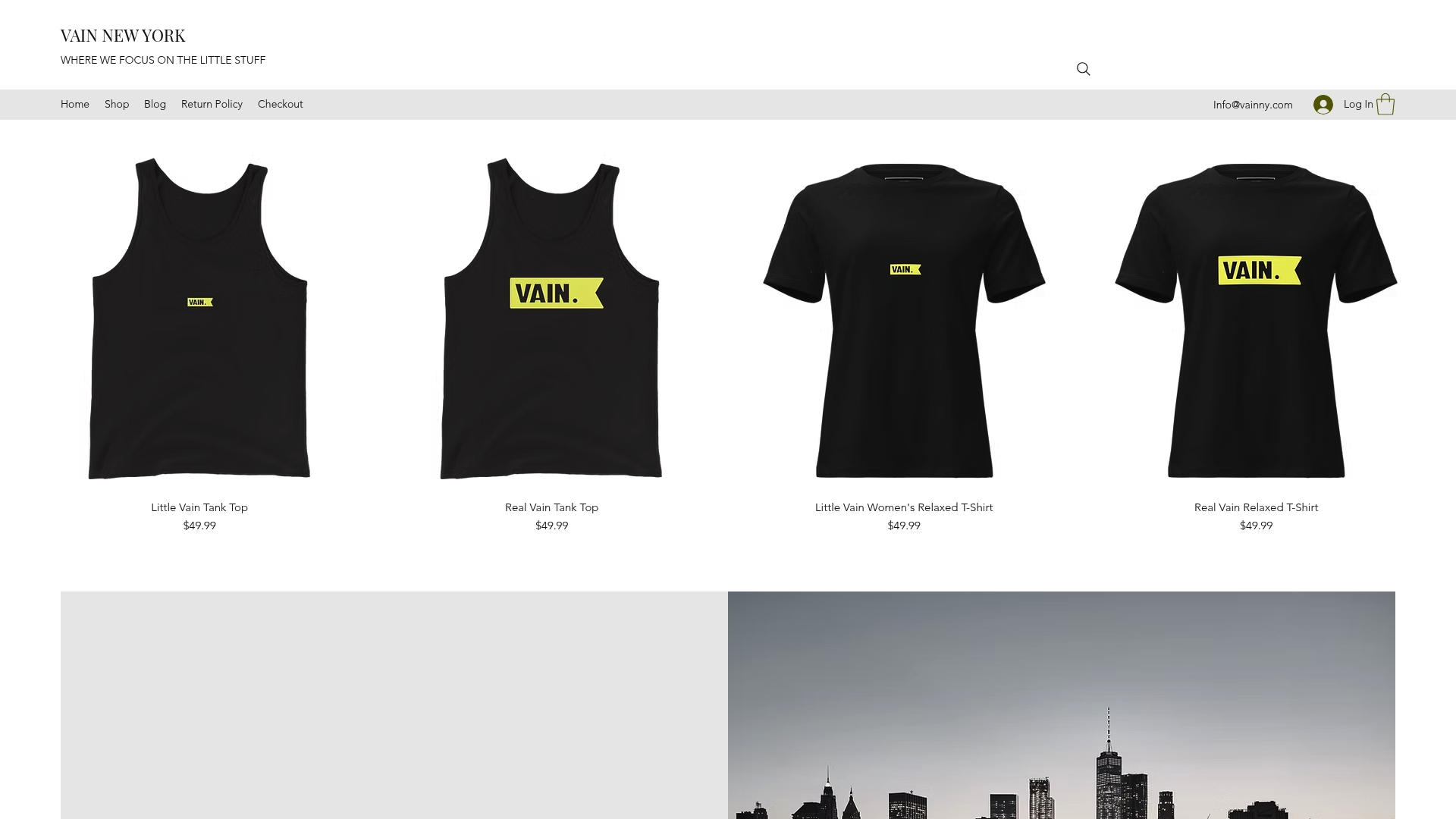
Whether you are planning your first exclusive merch drop or scaling a collectible merchandise NYC line, Vainnewyork brings the creative direction and production network to make it real. The Vainnewyork shop showcases what NYC-rooted design looks like in practice, from apparel to art objects, all produced with the cultural specificity this city demands. If you are ready to build something the city will remember, Vainnewyork is the place to start.
FAQ
What is the ideal unit count for a first NYC merch drop?
A first drop of 500–1,500 units across two or three colorways creates genuine scarcity without overextending production budgets. A 2026 NYC collection of 1,500 units at $50 each sold out immediately, confirming that tight runs drive demand.
How do I price merchandise for the NYC market?
NYC buyers accept $25–$80 for culturally meaningful limited goods. Tote bags retail around $25, shirts at $32–$50, and festival-tied apparel at $40–$80, based on recent successful NYC collections.
How do I prevent resellers from dominating my launch?
Enforce a two-item purchase limit per person and pre-announce any planned restocks. Pre-announced replenishments reduce secondary market markups and keep genuine fans engaged through the full launch window.
What types of collectible items work best alongside apparel?
Pins, posters, and keychains consistently expand a collection’s audience by attracting memorabilia collectors alongside fashion buyers. The Kith x Tribeca Festival Taxi Driver collection used multi-format collectibles to reach both communities simultaneously.
When is the best time to launch a fashion collection in NYC?
Tie your launch to a major NYC cultural event, such as Governors Ball, the Tribeca Festival, or a borough-specific anniversary. Festival-tied collections with multi-delivery windows consistently outperform generic seasonal drops in both press coverage and sell-through rates.
Recommended
Comments